
 By
By 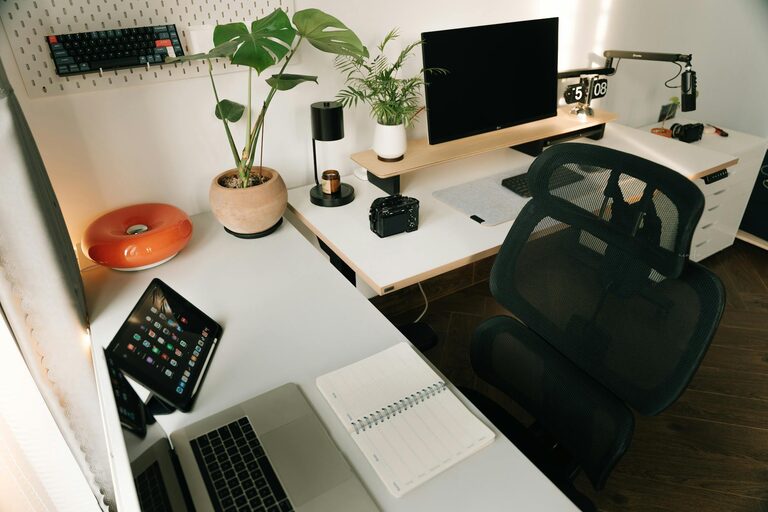
Setting up a productive home office space goes beyond just having a desk and a chair. A well-organized and thoughtfully arranged workspace can significantly enhance focus, creativity, and overall work efficiency. Whether you are new to working from home or looking to improve your current setup, these practical tips will help you organize a home office space that is both functional and comfortable.
Choose the Right Location
Finding the perfect spot for your home office is the first step to creating a productive environment. Here’s what to consider:
– Natural Light: Position your desk near a window if possible. Natural light boosts mood and reduces eye strain.
– Quiet Area: Choose a space with minimal noise and distractions to maintain focus.
– Dedicated Space: Avoid working from places associated with relaxation, such as the bedroom or couch. Having a dedicated area signals your brain that it’s time to work.
Invest in Comfortable and Functional Furniture
Your comfort affects your productivity. Select furniture that supports good posture and fits your work needs.
– Ergonomic Chair: An adjustable chair with good lumbar support prevents discomfort during long work hours.
– Spacious Desk: A desk with ample surface area lets you keep essentials within reach.
– Storage Solutions: Include drawers, shelves, or filing cabinets to keep your materials organized and accessible.
Declutter and Organize Your Workspace
A clutter-free space creates a calm and efficient working environment. Use these strategies to keep your home office tidy:
– Minimal Essentials: Keep only the items you use daily on your desk.
– Organizers and Containers: Use trays, pen holders, and boxes to categorize small items.
– Cable Management: Tidy up cords with clips or under-desk cable organizers to prevent tangling.
– Regular Clean-up: Make it a habit to clear your desk at the end of each day.
Optimize Lighting
Proper lighting helps reduce eye fatigue and keeps you alert.
– Task Lighting: Use a desk lamp with adjustable brightness to illuminate your immediate work area.
– Avoid Glare: Position screens to minimize reflection from windows or lights.
– Balanced Ambient Lighting: Combine natural light with soft overhead lighting to eliminate harsh shadows.
Personalize Your Workspace
Adding personal touches makes your home office inviting and motivates you to work.
– Inspiring Decor: Hang a piece of art, motivational quotes, or photos that uplift you.
– Plants: Bring in some greenery to purify the air and reduce stress.
– Color Choices: Use colors that promote focus and calm, such as blues, greens, or neutrals.
Set Up Technology Efficiently
Technology is central to most home offices, so organizing it well is key.
– Monitor Placement: Position your screen at eye level about 20 inches from your face.
– Keyboard and Mouse: Use ergonomic options to reduce strain.
– Wireless Devices: Consider wireless keyboards, mice, and headphones to minimize clutter.
– Charging Station: Create a dedicated area for charging devices to keep cables in one spot.
Create Zones for Different Tasks
If space allows, set up specific areas for different types of work to boost efficiency.
– Work Zone: Main desk area for computer-based tasks.
– Reading Zone: A comfortable chair with good lighting for reading or brainstorming.
– Storage Zone: Shelves or cabinets for papers, books, and supplies.
Establish a Routine and Boundaries
An organized physical space needs to be matched with good work habits.
– Regular Schedule: Set clear work hours to maintain a healthy work-life balance.
– Break Area: Step away from your desk during breaks to refresh.
– Family and Roommate Boundaries: Communicate your work hours and office boundaries to prevent interruptions.
Final Thoughts
Organizing a productive home office is a blend of good design, organization, and personal habits. By choosing the right location, decluttering, investing in suitable furniture, optimizing lighting, and setting boundaries, you can create a space that supports your best work. Remember, your home office should reflect your style and meet your unique needs, making working from home both pleasant and productive.