
 By
By 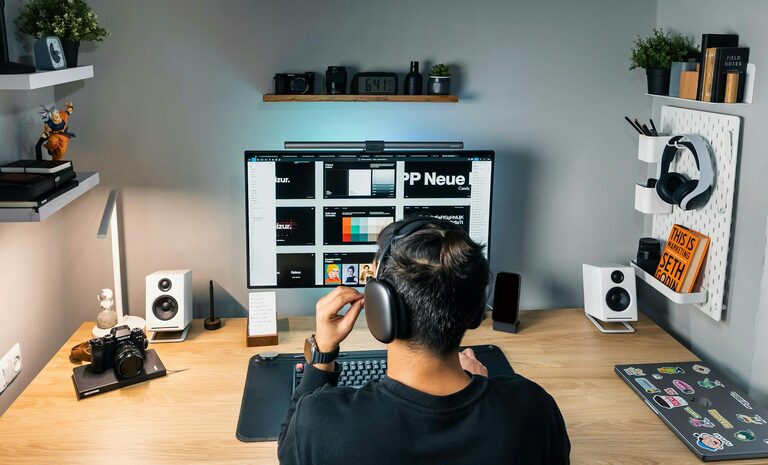
Creating a well-organized home office can make a significant difference in your productivity and overall comfort while working. A cluttered, chaotic space can lead to distractions and stress, whereas a tidy, thoughtfully arranged workspace promotes focus and efficiency. Whether you’re setting up a new home office or looking to improve your current one, these simple tips will help you create a functional, comfortable environment tailored to your needs.
1. Choose the Right Location
Selecting the right spot for your home office is the first step to staying productive. Ideally, pick a quiet area with good natural light and minimal distractions.
– Natural Light: Position your desk near a window to benefit from daylight, which can improve mood and reduce eye strain.
– Quiet Space: Choose a corner or a room away from busy household areas to limit noise interruptions.
– Access to Power Outlets: Make sure you have enough outlets nearby to power your devices without the hassle of extension cords.
2. Declutter and Keep Only Essentials
Clutter can overwhelm your mind and derail your workflow. Start by decluttering your space, removing everything that isn’t directly related to your work.
– Sort Your Items: Group your office supplies, documents, and equipment. Decide what you need daily, what can be stored, and what can be discarded or donated.
– Minimal Desk Setup: Keep your desk clean and free of non-essential items. A tidy desk helps you focus better on your tasks.
– Organize Paperwork: Use filing folders or trays to manage papers instead of letting them pile up.
3. Invest in Functional Storage Solutions
Good storage keeps your workspace organized and creates a calm atmosphere.
– Shelving Units: Wall-mounted shelves save floor space and keep books, binders, and decor off your desk.
– Drawer Organizers: Use small containers inside drawers to separate pens, clips, and other small items.
– Storage Bins: Label bins for items like cables, chargers, and extra office supplies to quickly find what you need.
4. Prioritize Ergonomics for Comfort
Comfort is crucial for maintaining productivity over long hours.
– Ergonomic Chair: Choose a chair that supports your back and promotes good posture.
– Desk Height: Make sure your desk height allows your arms to rest comfortably at a 90-degree angle.
– Monitor Position: Place your monitor at eye level and about an arm’s length away to reduce neck and eye strain.
5. Personalize Your Space Wisely
Adding personal touches makes your home office feel welcoming without distracting you.
– Plants: Small indoor plants can improve air quality and boost your mood.
– Artwork: Hang simple artwork or motivational quotes for inspiration.
– Color Palette: Use calming colors like soft blues or greens to create a serene environment.
6. Use Technology to Your Advantage
Organize your digital workspace alongside your physical one.
– Cable Management: Use clips or sleeves to keep cables tidy and prevent tangling.
– Wireless Accessories: Consider wireless keyboards and mice to reduce clutter.
– Task Management Apps: Keep your tasks organized with apps or digital planners that suit your workflow.
7. Maintain a Daily Cleanup Routine
Keeping your office tidy is an ongoing effort.
– End-of-Day Routine: Spend 5-10 minutes at the end of each workday tidying your desk and organizing your materials.
– Weekly Deep Clean: Set aside time weekly to dust, vacuum, and rearrange items if necessary.
– Review and Adjust: Regularly assess your organization system and adjust as your work needs evolve.
8. Maximize Lighting and Ventilation
Proper lighting and fresh air contribute to comfort and alertness.
– Task Lighting: Use desk lamps to illuminate your work area without causing glare.
– Natural Ventilation: Open windows periodically to bring in fresh air and maintain good airflow.
– Avoid Harsh Lighting: Choose lighting options that are bright but soft on the eyes, avoiding overly harsh or flickering bulbs.
—
Organizing your home office doesn’t have to be complicated. By implementing these simple tips, you can create a space that supports both productivity and comfort. Remember, the best workspace is one that suits your personal needs and helps you feel motivated throughout your workday. Regularly revisiting and tweaking your setup ensures your home office continues to work for you as your routines and tasks evolve.